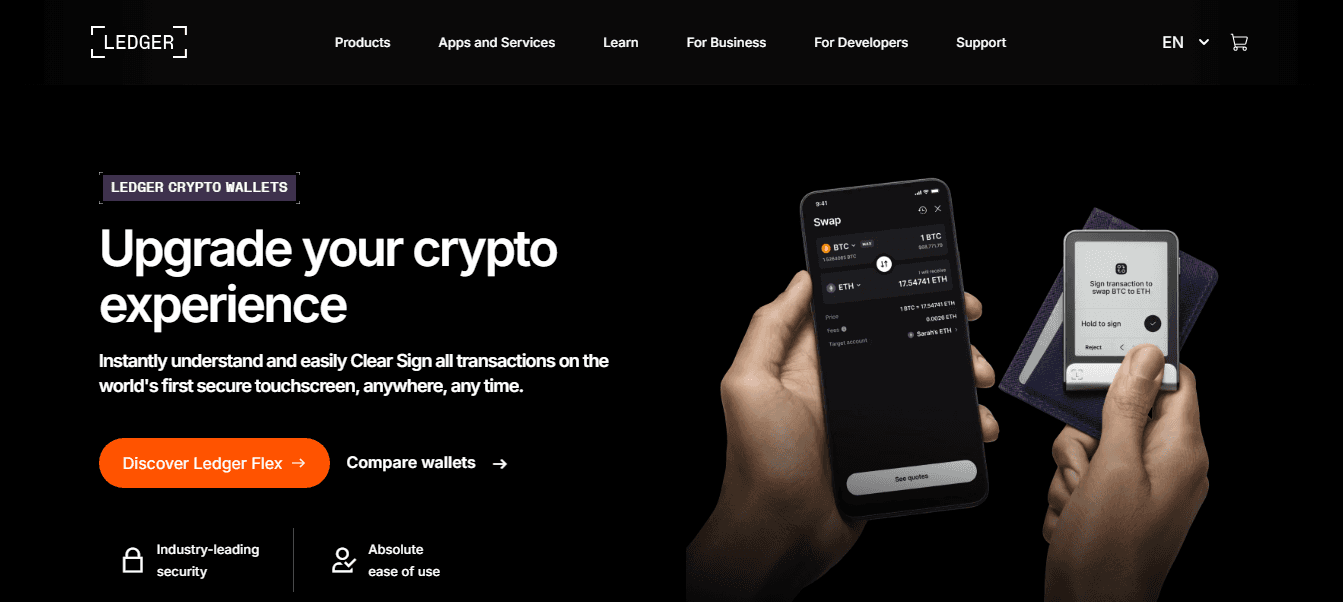
Ledger Live Login:
Introduction to Ledger Live Login
Ledger Live Login is the secure method used to access and manage cryptocurrency holdings through the Ledger Live application in combination with a Ledger hardware wallet. Unlike traditional login systems that rely on email addresses, usernames, passwords, or centralized servers, Ledger Live Login is built around hardware-based verification and cryptographic ownership.
Rather than proving who you are, Ledger Live Login proves what you control—your private keys. This approach aligns with the decentralized nature of blockchain technology and provides a significantly higher level of protection against online threats.
This guide explains Ledger Live Login in detail, including how it works, why it is different from conventional logins, and how users can safely use it to manage digital assets.
What Is Ledger Live and Its Purpose
Ledger Live is the official software application developed by Ledger to interact with Ledger hardware wallets. It acts as a secure interface that allows users to manage cryptocurrencies without exposing private keys.
Key Functions of Ledger Live
View cryptocurrency balances
Send and receive digital assets
Install and manage blockchain apps
Stake supported coins
Manage NFTs
Connect securely to Web3 applications
Ledger Live itself does not control funds. All sensitive actions require authorization from the connected hardware wallet.
Why Ledger Live Login Is Different from Traditional Logins
Ledger Live Login does not follow the conventional login model used by banks, exchanges, or online platforms.
Traditional Login Model
Usernames and passwords
Centralized authentication servers
Password recovery via email
Vulnerable to phishing and data breaches
Ledger Live Login Model
No account creation
No password storage
No centralized authority
Physical device authentication
This design eliminates many common security risks associated with online logins.
The Role of the Ledger Hardware Wallet in Login
At the core of Ledger Live Login is the Ledger hardware wallet, such as the Ledger Nano S Plus or Ledger Nano X.
What the Hardware Wallet Does
Generates private keys offline
Stores keys inside a secure element chip
Signs transactions internally
Displays transaction details for verification
The hardware wallet acts as both the key holder and the login authority, ensuring maximum security.
How Ledger Live Login Works
Ledger Live Login is a secure interaction between the Ledger Live application and the hardware wallet.
Ledger Live Login Process
Launch the Ledger Live application
Connect the Ledger device using USB or Bluetooth
Enter the PIN on the Ledger device
Ledger Live verifies the device connection
Wallet data and features become accessible
There is no “sign in” button because access is granted through device presence and approval.
No Username or Password in Ledger Live Login
One of the most important features of Ledger Live Login is the complete absence of usernames and passwords.
Benefits of Password-Free Login
No credential theft
No phishing login pages
No password reuse
No centralized database leaks
Your Ledger device replaces traditional credentials, making login significantly more secure.
PIN Code Protection in Ledger Live Login
The PIN code is a critical layer of protection for Ledger Live Login.
Why the PIN Is Important
Prevents unauthorized physical access
Required every time the device is unlocked
Limited number of attempts allowed
After several incorrect PIN attempts, the device automatically resets, protecting wallet data.
Ledger Live Login and the Recovery Phrase
The 24-word recovery phrase is the most important backup element of Ledger Live Login.
What the Recovery Phrase Does
Represents full ownership of the wallet
Allows login restoration on a new device
Protects access even if the device is lost
The recovery phrase must be written down and stored offline. Anyone with access to it can control the wallet.
Restoring Ledger Live Login After Device Loss
Ledger Live Login can be restored if the hardware wallet is lost, damaged, or reset.
Restoration Steps
Install Ledger Live on a new computer or phone
Connect a new Ledger hardware wallet
Choose “Restore from recovery phrase”
Enter the 24-word phrase
Create a new PIN
Once restored, Ledger Live Login provides access to all original accounts.
Ledger Live Login on Desktop Platforms
Ledger Live desktop login is commonly used for detailed portfolio management.
Supported Desktop Operating Systems
Windows
macOS
Linux
Advantages of Desktop Login
Larger display for transaction review
Stable USB connectivity
Full feature availability
Security remains hardware-based regardless of operating system.
Ledger Live Login on Mobile Devices
Ledger Live also supports mobile login for on-the-go access.
Supported Mobile Platforms
Android
iOS
Mobile Login Methods
Bluetooth (Ledger Nano X)
USB connection (device-dependent)
Mobile Ledger Live Login provides convenience without compromising security.
Bluetooth Security in Ledger Live Login
Bluetooth connectivity often raises concerns, but Ledger uses encrypted communication.
Why Bluetooth Is Secure
End-to-end encryption
No private key transmission
Physical approval still required
Bluetooth is only a transport layer; all sensitive operations occur inside the device.
Ledger Live Login for Viewing Wallet Balances
Once logged in, users can view balances across supported blockchains.
How Balance Viewing Works
Ledger Live retrieves public blockchain data
No private key access is required
Safe even without device approval
This allows users to monitor portfolios securely.
Ledger Live Login for Sending Cryptocurrency
Sending cryptocurrency requires explicit authorization.
Transaction Authorization Flow
Create transaction in Ledger Live
Transaction details appear on the device
Verify address and amount
Approve transaction on the device
This process prevents unauthorized transfers and malware-based attacks.
Ledger Live Login for Receiving Cryptocurrency
Receiving assets does not require approval but includes verification.
Receiving Process
Ledger Live generates a receiving address
Address is displayed on the Ledger device
User verifies before sharing
This ensures funds are sent to the correct address.
Ledger Live Login and NFT Management
Ledger Live supports NFT management on supported blockchains.
NFT Features
View NFT collections
Send NFTs securely
Verify ownership
All NFT transfers require Ledger Live Login approval via the hardware wallet.
Ledger Live Login and Staking Features
Ledger Live allows users to stake supported cryptocurrencies.
Staking with Ledger Live Login
Stake directly from the app
Retain full custody
Approve staking actions on the device
This ensures staking remains secure and non-custodial.
Ledger Live Login for Web3 Applications
Ledger Live integrates with Web3 platforms.
Web3 Use Cases
DeFi protocols
NFT marketplaces
DAO governance
Blockchain gaming
Every interaction requires device confirmation, protecting users from malicious smart contracts.
Ledger Live Login Using WalletConnect
WalletConnect enables secure login to decentralized applications.
WalletConnect Login Flow
dApp requests connection
Ledger Live prompts the user
Request details appear on the device
User approves or rejects
This ensures secure Web3 authentication.
Security Architecture Supporting Ledger Live Login
Ledger Live Login is supported by multiple security layers.
Core Security Elements
Secure element chip
Isolated Ledger OS
Hardware-based cryptographic signing
Firmware authenticity verification
These layers protect against both online and physical threats.
Ledger Live Login vs Centralized Exchange Login
FeatureLedger Live LoginExchange LoginKey ControlUser-ownedExchange-controlledAuthenticationHardware-basedPassword + 2FAHack ExposureVery lowHighRecoveryRecovery phraseCustomer support
Ledger Live Login removes counterparty risk entirely.
Common Ledger Live Login Issues
Users may occasionally encounter login-related issues.
Typical Problems
Device not detected
Bluetooth pairing failure
Outdated Ledger Live version
USB cable malfunction
These issues are technical, not security-related.
Troubleshooting Ledger Live Login Problems
Recommended Solutions
Update Ledger Live
Update device firmware
Restart device and application
Use official cables and software
Most issues are resolved through updates and reconnection.
Ledger Live Login and User Privacy
Ledger Live Login is privacy-focused by design.
Privacy Benefits
No personal data collection
No account registration
No centralized tracking
Users interact directly with blockchain networks without identity exposure.
Ledger Live Login for Long-Term Crypto Storage
Ledger Live Login is well-suited for long-term holders.
Why Long-Term Users Prefer It
Offline private key storage
Independence from third parties
Secure recovery mechanism
Assets remain protected even during long periods of inactivity.
Institutional and Advanced Use of Ledger Live Login
Ledger Live Login is also used by institutions and advanced users.
Institutional Advantages
Strong access control
Hardware-backed authentication
Reduced insider risk
Its design supports both personal and enterprise-grade security.
Best Practices for Secure Ledger Live Login
Do
Store recovery phrase offline
Verify all device prompts
Use official Ledger Live software
Keep firmware updated
Don’t
Share recovery phrase
Install unofficial apps
Approve unknown requests
Store recovery phrase digitally
User behavior plays a crucial role in maintaining security.
What Happens If Ledger Live Is Unavailable
Ledger Live is an interface, not a custodian.
Why This Matters
Assets remain on the blockchain
Recovery works independently
Ownership is unaffected
Ledger Live Login does not depend on company servers.
The Future of Ledger Live Login
Ledger Live Login continues to evolve alongside blockchain technology.
Future Developments
Improved user experience
Expanded asset support
Enhanced Web3 tools
Better transaction transparency
Despite improvements, the core hardware-based login model remains unchanged.
Conclusion: Ledger Live Login as a Secure Access Standard
Ledger Live Login replaces traditional login systems with a model based on ownership, physical confirmation, and cryptographic security. By removing passwords and centralized control, it offers a safer and more transparent way to manage digital assets.
For users who value security, privacy, and full ownership, Ledger Live Login remains one of the most trusted access systems in the cryptocurrency ecosystem.